Nose Before Feet: The Quiet Case for the Fifteen-Minute Sniff Walk
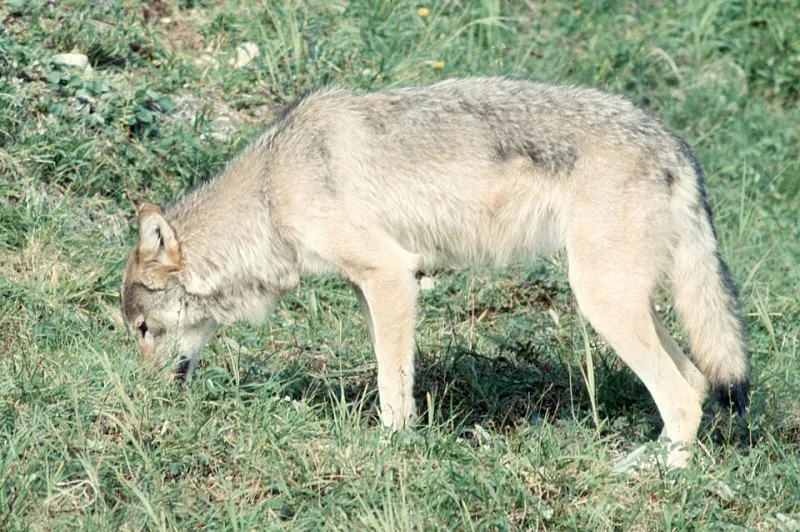
Photo: Garst, Warren, 1922-2016, photographer, CC BY-SA 4.0, via Wikimedia Commons
Somewhere along the way, many of us learned that a good walk is a brisk one. We stride, we march, we count the miles, and we quietly apologise when our dog stops for the fourth time to investigate a lamp post. At Such Fun Kennels we would like to make a gentle case for the opposite: the slow, nose-led, fifteen-minute sniffari. It looks like nothing. It is, in fact, one of the most useful things you can do with a dog.
It looks like nothing, and that is the point
A sniffari is not a route. It is a ramble with a purpose, except the purpose is not to get anywhere. The dog sets the pace, the human sets the route, and the walk is measured in sniffs rather than steps. Fifteen minutes of this can leave a dog more settled than an hour of brisk pavement marching, because sniffing is not a distraction from the walk. It is the walk.
Dogs gather an enormous amount of information through their noses. A single patch of grass can hold the morning news: who passed by, what they ate, whether the postman was early, which local fox is feeling bold. When we hurry a dog past that, we are skipping the part of the walk that makes sense to them.
Why it is not doing nothing
Nose work is mental work. It lowers arousal, encourages focus and gives a dog a satisfying job that requires no training treats and no clever equipment. For a dog who has spent the day at daycare, or a dog who has just come home from a boarding stay, a sniffari is a decompression walk. It is a chance to download the day at their own pace.
We see it often at Such Fun Kennels: a dog comes out of a busy day with a full brain and a waggy tail, and the last thing they need is more excitement. A quiet sniff around the garden, the park edge or a familiar street helps them shift gears. It is not a cure-all, and it is not a replacement for proper exercise, but it is a genuinely useful tool in the calm-down toolkit.
The sniffari rules
Let the dog set the pace. This is the big one. If your dog wants to stand and sniff the same tuft of grass for three minutes, let them. You are not being lazy. You are being a good host.
The human sets the route. Letting the dog lead does not mean letting them tow you into traffic. You choose the safe path, the crossings and the places where sniffing is allowed. The dog chooses the stops. Safety decisions stay with the human.
Use a loose lead and a comfortable harness. A dog who is being pulled tight cannot relax into sniffing. A well-fitted harness, a two-metre lead and soft hands make a huge difference. In secure green spaces, a longline can give more freedom, but check the area first and keep the line away from legs, bikes and other dogs.
Pick sniff-rich places. Tree lines, hedgerows, park edges, canal towpaths, village greens and quiet residential streets with plenty of lamp posts are all good. Urban sniffing needs a little more care: watch for discarded chicken bones, glass, antifreeze, salty grit in winter and conkers in autumn. If your dog is a scavenger, keep the lead shorter near takeaways and bins.
Keep it short and repeatable. Fifteen minutes is plenty. A short sniffari before daycare drop-off or after a boarding pick-up can become a lovely routine. It is not a marathon. It is a pause.
Put the phone away. This is a walk for noticing. If you are scrolling, you will miss the moment your dog finds something fascinating, and you will probably miss the pile of chips they are about to investigate.
Leash-handling for the slow walk
A sniffari is not a test of obedience. It is a change of gear. Practise stopping when your dog stops, rather than coaxing them on. Keep the lead loose and your body relaxed. If your dog pulls towards a sniff spot, pause, let them reach it, then wait. If they lunge towards rubbish, that is your cue to step away and redirect to a cleaner patch.
Treats can help, but they are not the point. A few scattered treats in the grass can encourage sniffing, and a reward for checking in is always welcome. Mostly, though, the reward is the sniff itself.
Safe sniff spots for UK dogs
Local parks are the obvious choice, but the edges are often better than the middle. The path around the playing field, the strip beside the hedge and the quiet corner near the car park usually offer more interesting smells than the open grass. Canal towpaths are brilliant for slow walks, as long as you keep clear of cyclists and fishing tackle. Woodland edges are rich in scent, but check for seasonal hazards and keep to marked paths. Off-peak beaches can be wonderful, but always check local dog restrictions and tide times. Village greens and quiet streets are underrated; a row of hedges and a few wheelie bins can be a whole morning newspaper for a dog.
Avoid busy pavements at school pick-up, market day crowds and anywhere with a lot of dropped food. A sniffari should feel calm, not chaotic. If the environment is too much, choose a quieter spot and save the busy route for another day.
The decompression effect
When a dog has been in a heightened state, whether from play, travel or a change of routine, their nervous system needs help coming back down. Sniffing is a natural way to do that. It is why a dog may ignore a toy after a big day but happily spend ten minutes investigating the garden. They are not being stubborn. They are regulating.
At Such Fun Kennels we build quiet sniff breaks into the day for exactly this reason. For owners, a welcome-home sniffari is a simple way to help a dog transition from kennel to kitchen. No big greeting, no immediate game of fetch, no rush. Just a lead, a quiet route and a nose that knows what it needs.
Boring walks are secretly brilliant
If you have ever felt vaguely guilty about the slow walk, consider this permission to stop feeling guilty. A fifteen-minute sniffari is not a lesser walk. It is a different kind of walk, and for many dogs it is the one that helps most. Let the nose set the pace. The tail will follow.