Soggy Pavements, Happy Paws: Twelve Indoor Games for a Rainy Day
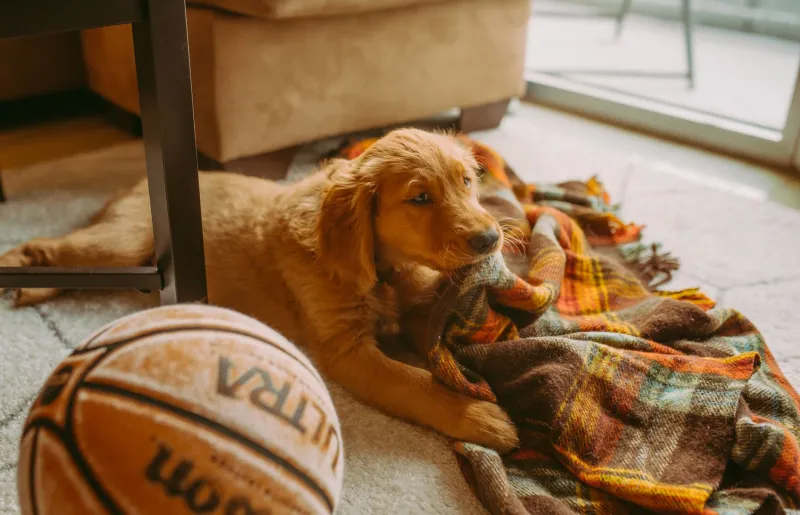
November has done its usual trick: the sky has opened, the pavements have turned into a slip-and-slide, and your dog is staring at you as if you personally cancelled the walk. The walk may be shorter, but the day does not have to become a snooze-fest. Mental enrichment is the rainy-day equivalent of a good muddy mile. Sniffing, problem-solving and destroying a cardboard box can leave a dog happily tired, and you do not even need to put on waterproof trousers.
Just remember that mental work is tiring in a different way. Build in breaks, watch for frustration, and supervise anything involving food, fabric or small parts. A wet Wednesday is not the day to discover that your dog can remove a squeaker in four seconds flat.
Why a Wired Dog Needs a Wet-Weather Plan
A bored dog is not a bad dog. They are a dog with energy and no outlet, which is why the cushions suddenly look like a chew toy and the cat has taken up residence on top of the wardrobe. Short, safe sniffy walks are still worth doing in the rain if your dog enjoys them, but enrichment at home can take the edge off when the weather is truly grim.
Mental stimulation is not a substitute for veterinary advice, all physical exercise or proper training. It is one more tool in the cupboard, alongside a towel by the door and a sense of humour about muddy paw prints.
The Twelve Games
1. Snuffle-Mat Scatter Feed
What it works: sniffing, slow feeding and calm focus. Time: 5 to 15 minutes. Best for: greedy sniffers, seniors and dogs who find the world a bit much. Watch out: supervise fabric mats, especially with enthusiastic chewers. Shake out the mat afterwards and check for holes.
2. Muffin-Tin Treat Puzzle
What it works: problem-solving and nose work. Time: 5 to 10 minutes. Best for: food-motivated dogs of most ages. Watch out: use a shallow tin with no sharp edges, and count the treats so you do not accidentally serve a second dinner. Supervise dogs who like to chew metal.
3. Hallway Scent Trail
What it works: sniffing and following a scent. Time: 10 to 15 minutes. Best for: dogs who need to slow down and use their noses. Watch out: clear the hallway of shoes, cables and trip hazards. Use tiny treats, not essential oils. Keep the floor non-slip and avoid this game with dogs who resource-guard food.
4. Cardboard-Box Demolition
What it works: shredding, problem-solving and safe chewing. Time: 10 to 20 minutes. Best for: confident chewers and dogs who love a project. Watch out: remove tape, staples and plastic packaging. Supervise closely and take away soggy cardboard before it becomes a snack. Not one for dogs who eat everything.
5. Hide-and-Seek Treats
What it works: scent work and impulse control. Time: 5 to 10 minutes. Best for: beginners and dogs who like a gentle challenge. Watch out: hide treats in safe, reachable places. Avoid chocolate, raisins, grapes, onions and anything with xylitol. Do not hide food under furniture your dog could get stuck beneath.
6. Towel-Roll Burrito
What it works: nose work and gentle problem-solving. Time: 5 to 10 minutes. Best for: calmer dogs and older puppies. Watch out: use a clean towel with no loose threads, and supervise so it does not become a swallowed snack. Skip it for dogs who get frustrated quickly.
7. Frozen Lick Mat or Stuffed Kong
What it works: licking, calming and slow feeding. Time: 10 to 30 minutes. Best for: dogs who need help settling, and busy brains that need a job. Watch out: keep portions small and suit your dog’s diet. Not ideal for dogs who gulp or guard food. Check the toy for damage afterwards.
8. Cup Shuffle
What it works: problem-solving and memory. Time: 5 to 10 minutes. Best for: clever, food-motivated dogs. Watch out: use plastic cups with no sharp rims. Supervise so the cups do not become chew toys. Keep the game short so it stays fun rather than frustrating.
9. Indoor Roll-and-Fetch
What it works: gentle movement and impulse control. Time: 5 to 10 minutes. Best for: active dogs who need a little burst of movement. Watch out: clear the floor, avoid stairs and use a soft toy. Do not play on slippery surfaces or with dogs who skid and crash. Stop before they get overexcited.
10. Five-Minute Trick School
What it works: focus, communication and confidence. Time: 5 to 10 minutes. Best for: puppies, adolescents and dogs who like to learn. Watch out: reward-based training only. End on a win and stop before either of you gets bored. Avoid repetitive jumping if your dog is young, old or recovering from injury.
11. Sensory Spa and Sniffing Basket
What it works: calmness, choice and gentle handling. Time: 10 to 20 minutes. Best for: anxious dogs, seniors and dogs who like quiet time. Watch out: never force handling. Use dog-safe items only and avoid essential oils around pets. Put the basket away afterwards if your dog likes to eat cardboard.
12. Human Hide-and-Seek
What it works: recall, scent and social connection. Time: 5 to 10 minutes. Best for: sociable dogs who like a game with their person. Watch out: hide somewhere safe and call cheerfully. Do not scare your dog. Keep the game indoors and low-key if they are easily wound up before bedtime.
The Serious Bit: Tired Brain, Happy Dog
Enrichment is brilliant, but it is not a magic wand. If your dog is suddenly restless, panting, unable to settle or showing new behaviour, ring your vet rather than assuming they just need another puzzle. Avoid games that wind them up right before bed, rotate toys so they stay interesting, and remember that chewing and licking can be genuinely soothing for many dogs.
And if the rain is truly horizontal? A short garden sniff, a cosy duvet and a safe chew are a perfectly respectable wet Wednesday. Your dog will not remember that the walk was cancelled. They will remember that you stayed, played and maybe shared a biscuit.