A Towel, a Coat, and a Bit of Common Sense: Winter Kit for Kennel Days
There is a moment, usually on a dark November morning, when you look at your dog’s kennel bag and wonder whether you are packing for a weekend break or a polar expedition. One owner arrives with a neat pouch, a towel and a coat. Another arrives with a wheelie case and three seasonal outfits. Neither owner loves their dog more. But winter kennel days tend to go more smoothly when the bag is built around the dog, not the weather app.
The aim for winter 2026 is simple: send what helps your dog stay dry, warm and comfortable enough to enjoy their day, without turning the kennel into a laundry and wardrobe department. A good boarding or daycare team will meet you halfway. Your job is to give them useful kit, clear notes and a realistic sense of what your dog actually tolerates.
Start with the dog, not the forecast
A lean whippet, a fluffy malamute and a stiff-jointed older terrier do not need the same winter plan. Short-coated dogs, thin dogs, older dogs and very small dogs often feel the cold more keenly. Dogs with thick double coats may cope better with a brisk morning but still get chilled once they are wet and standing around.
UK winter weather is less about dramatic snowfall and more about damp, wind, grit and pavements that stay wet for days. That means drying matters at least as much as layering. A dog in a smart coat but with a soggy belly and damp armpits is not really warm. A dog with no coat but a proper rub-down and a dry bed may be perfectly content.
Before you pack, ask the kennel what they already provide. Many have towels, bedding and drying routines in place. Your own items are often most useful when they are familiar, labelled and easy for the team to use.
The coat question: useful or just adorable?
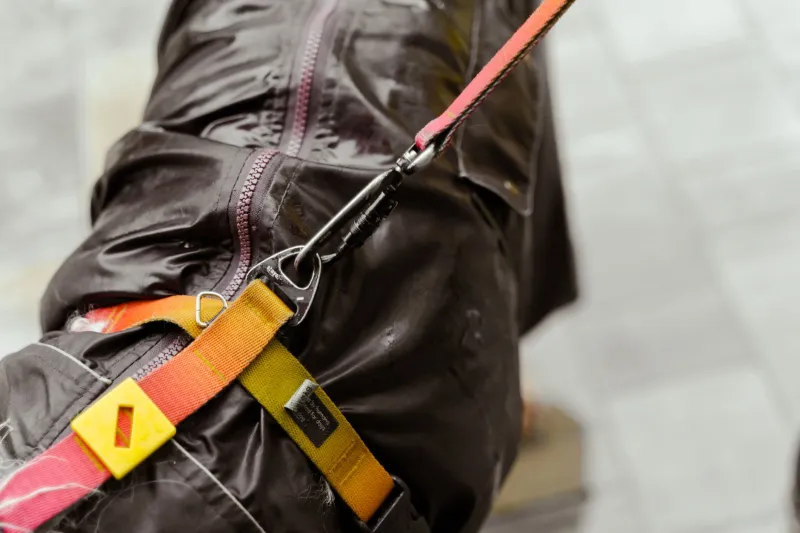
A coat can be genuinely helpful for a short-coated dog on winter walks, for an older dog who feels the chill, or for a dog who spends time outdoors in a secure garden. Look for a well-fitting, water-resistant coat with a cosy lining, good coverage over the chest and belly, and straps that do not rub. It should let your dog walk, sniff, squat and trot without restriction.
What it does not need is a matching scarf, a little hat or a row of decorative buttons. Loose accessories can be chewed, caught or lost, and they add nothing to your dog’s comfort. If your dog dislikes wearing a coat, do not force the issue. A towel dry and indoor enrichment will serve them better than a daily wrestling match.
Send one coat, not three. Label it clearly. Mention whether your dog wears it for every outdoor trip or only on the coldest days. A good kennel will remove it indoors so the dog does not overheat while resting.
Towels do more work than you think
If winter kit had a star player, it would be the humble towel. Microfibre dries quickly and packs small; an old bath towel is absorbent and familiar. Two labelled towels are usually plenty. One can live in your dog’s bag and one can be used for paws after garden trips.
Ask the kennel to dry your dog properly after every outdoor outing, not just once at the end of the day. That means paws, belly, armpits, under the collar, the tail and anywhere the coat has clumped into damp patches. Drying to the skin matters more than making the top of the dog look tidy.
A towel from home can also act as a comfort item, especially for a first stay. Do not send your best guest towel. Send one you are happy to see come home slightly muddy and thoroughly used.
Paws, pads and the gritted pavement problem
Winter pavements can be gritty, salty and cold. After walks, paws should be wiped or rinsed and checked between the pads for grit, small cuts and little balls of ice or compacted snow. Hairy paws collect debris particularly well, so a pre-winter trim from your groomer can make life easier.
If your dog already uses a dog-safe paw balm, send it with instructions. Do not reach for human moisturisers or random kitchen oils. If paws look sore, cracked or worse than usual, ask your vet rather than experimenting.
Boots can help some dogs, but only if they are already comfortable wearing them. A dog who has never worn boots may spend the whole walk doing an exaggerated high-step and forget to sniff. There is no shame in skipping them and relying on drying and paw checks instead.
The older dog’s winter allowance
Older dogs often feel the cold in their joints and appreciate a warm, dry bed away from draughts. They may also need shorter, gentler outdoor time and more quiet rest. A coat can be useful, but so can a familiar blanket and a kennel team who know where your dog likes to settle.
If your dog takes medication or a joint supplement, pack it in its original packaging with written instructions. Kennel staff can only follow the plan you provide, so be precise about timing, dosage and whether it is given with food. Do not add new supplements just before a stay; winter is not the moment to test a surprise.
Warmth should not mean overheating. A bed pressed against a radiator is not a treat for a dog in a thick coat. The best kennels aim for warm, dry and well ventilated, with beds away from draughts and enough space for a dog to move to a cooler spot if they want one.
What a good kennel does without being asked
A thoughtful kennel team will dry dogs after outdoor time, remove coats indoors, check paws after walks, provide clean dry bedding and watch for dogs who seem chilly or uncomfortable. They will also notice the dog who is panting or restless in a warm room and adjust accordingly.
Ask practical questions before you book. Where are wet dogs dried? Are coats taken off indoors? How often do dogs go out in wet weather? Do you check paws after walks? The answers will tell you more than any glossy brochure.
The simple winter kit list
One well-fitting water-resistant coat, if your dog needs one. Two labelled towels. A familiar blanket if the kennel allows it. A small paw towel. Any medication in original packaging with clear written instructions. A note about whether your dog wears coats, hates them, chews them or needs help putting them on.
That is genuinely enough. Leave the outfits, the human scarves, the hot water bottles and the elaborate layering at home. Winter kennel days are for dry dogs, warm beds, good sniffing and a team who knows when to add a towel and when to take the coat off. Pack for the dog you have, not the one in the winter catalogue, and everyone will be more comfortable for it.