Predictable Paws: Turning Your Dog's Home Habits into a Happy Kennel Stay
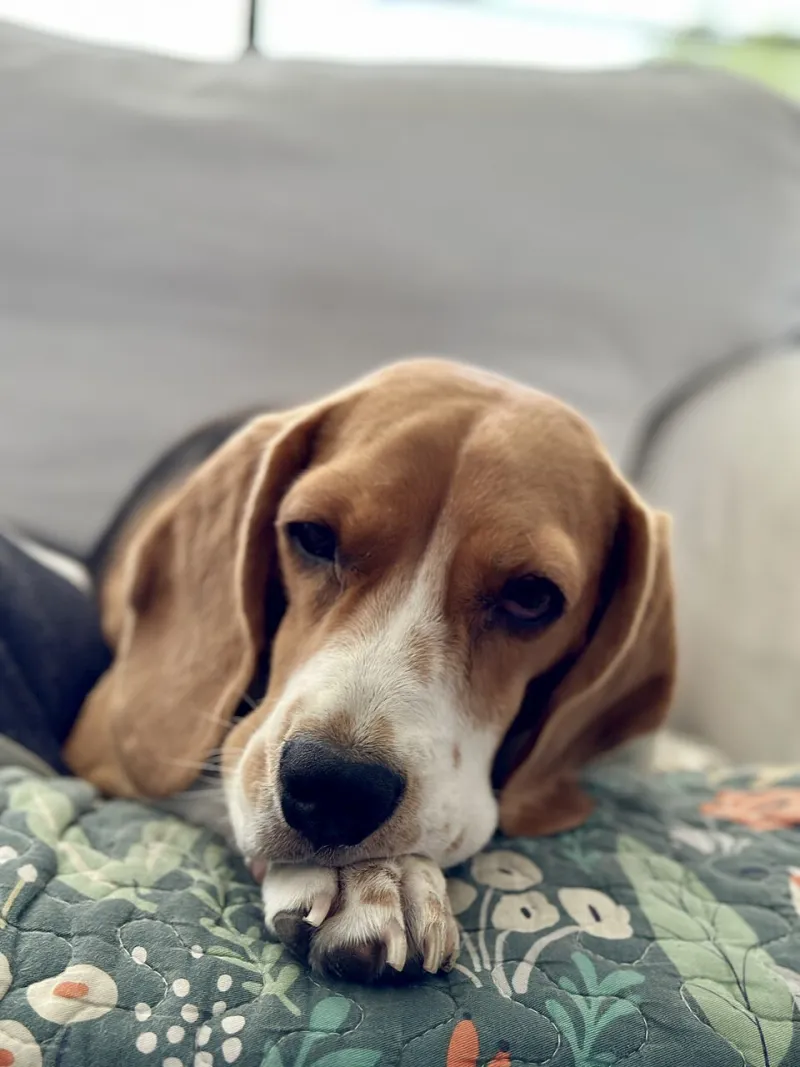
Photo: Slyronit, CC BY-SA 4.0, via Wikimedia Commons
There's a lovely myth that dogs crave novelty. In reality, many of them are creatures of quiet ritual: the same route past the same lamp post, the same clatter of a bowl at six o'clock, the same word that means “curl up now.” When you book a daycare day or a boarding stay, you aren't asking your dog to become a different animal. You're asking them to settle into a new place. And the single most useful thing you can pack isn't a toy or a blanket — it's a clear picture of what normal looks like at home.
Why familiar beats fancy
Dogs are pattern-spotters. They learn that the jangle of keys means a walk, that the fridge door opening at a certain angle might mean cheese, or that the living room lights going off signals bedtime. These tiny predictions add up to a feeling of safety. In a kennel environment, the sights and sounds are different, but the sequence of the day can still feel recognisable if we know what to replicate.
That's not to say every dog needs a military-grade schedule. Some are gloriously flexible. But even the most easy-going spaniel tends to relax faster when mealtimes land in roughly the same window, walks follow a similar pace, and there's a predictable wind-down before sleep. Predictability is a kind of comfort blanket that doesn't need washing.
The routine map: a five-minute job with a big payoff
Before your dog's first stay, jot down a simple routine map. It doesn't need to be a spreadsheet. A notes app entry or the back of an envelope is fine. Think of it as a translation guide from your home to ours.
Morning
- What time do they usually wake, and what's the first thing that happens? (Garden trip? Breakfast? A slow sniff around the block?)
- Do they eat straight away or prefer a little pause?
- Any morning quirks — a particular spot they check, a toy they carry, a patrol of the kitchen?
Meals
- Exact food, amount and timing. If they're on a specific brand or have a sensitive tummy, say so.
- Do they eat from a bowl, a snuffle mat, a slow feeder, or the floor?
- Any rituals: a biscuit after dinner, a chew in the evening, a particular bowl placed in a particular corner?
Walks
- How long, how often, and at what pace? A brisk march and a leisurely amble are very different experiences for a dog.
- Do they prefer a sniff-heavy route or a steady trot?
- Any lead habits or triggers we should know about — other dogs, traffic, cyclists, joggers, squirrels with audacity?
Quiet time
- Where do they usually settle? A crate, a bed, a sofa, a sunny patch?
- What helps them switch off? A chew, a lick mat, a specific word, a radio station, or simply being left to snooze?
- Do they like a mid-afternoon nap, and do they prefer peace or background chatter?
Evening and bedtime
- What's the wind-down routine? Toilet trip, supper, a last sniff in the garden, a particular blanket?
- Do they sleep with a light on, a radio low, or complete quiet?
- Any overnight habits — a drink of water at 2am, a favourite sleeping position, a need for a wee break?
The words that do the heavy lifting
One of the most underrated things you can share is your dog's settle word or phrase. It might be “bed,” “settle,” “night night,” or something gloriously specific like “blanket time.” If your dog hears that familiar cue in a new place, it can act like a key turning in a lock. The same goes for release words, recall cues, and any hand signals they know. Write them down exactly as you say them — tone and all.
Pace matters more than distance
A dog who is used to a gentle, stop-and-sniff amble can find a brisk group walk overwhelming. Equally, a dog who expects a proper leg-stretch may find a short garden potter a bit unsatisfying. Tell us which camp your dog falls into, and whether they like to lead, follow, or zigzag with joyful indecision. If they have a favourite type of walk — woodland, pavement, park — that's useful too, though we can't promise identical scenery. We can promise to match the mood.
The quiet corner conversation
Some dogs recharge by watching the world go by; others need a proper snooze in a low-traffic spot. If your dog has a preferred quiet-time habit — a chew in their bed after lunch, a lick mat while the kettle boils, a blanket over their crate — put it on the map. It helps us offer the same off-switch at the same sort of time. And if they'd rather not be disturbed during a nap, that's worth saying plainly. There's no prize for a dog who toughs it out.
What to do with the map
Bring it, email it, or tell us at drop-off. We'll read it, ask a couple of sensible questions, and fold it into your dog's day. You don't need to be exhaustive — a handful of honest details beat a perfect plan that doesn't match reality. If your dog is a chaotic little comedian who eats at dawn and sleeps like a log, write that. If they're a delicate soul who needs a quiet corner and a slow breakfast, write that too.
A final reassuring thought
You are not being fussy by sharing your dog's routine. You're giving them a head start. A new place can still feel friendly when the day has a familiar shape: breakfast, a sniff, a nap, a stroll, a chew, a settle. Same dog, new postcode — and a routine that says, quietly, “you've done this before.”