When the Sky Goes Quiet: Helping Firework-Weary Dogs Find Their Feet Again
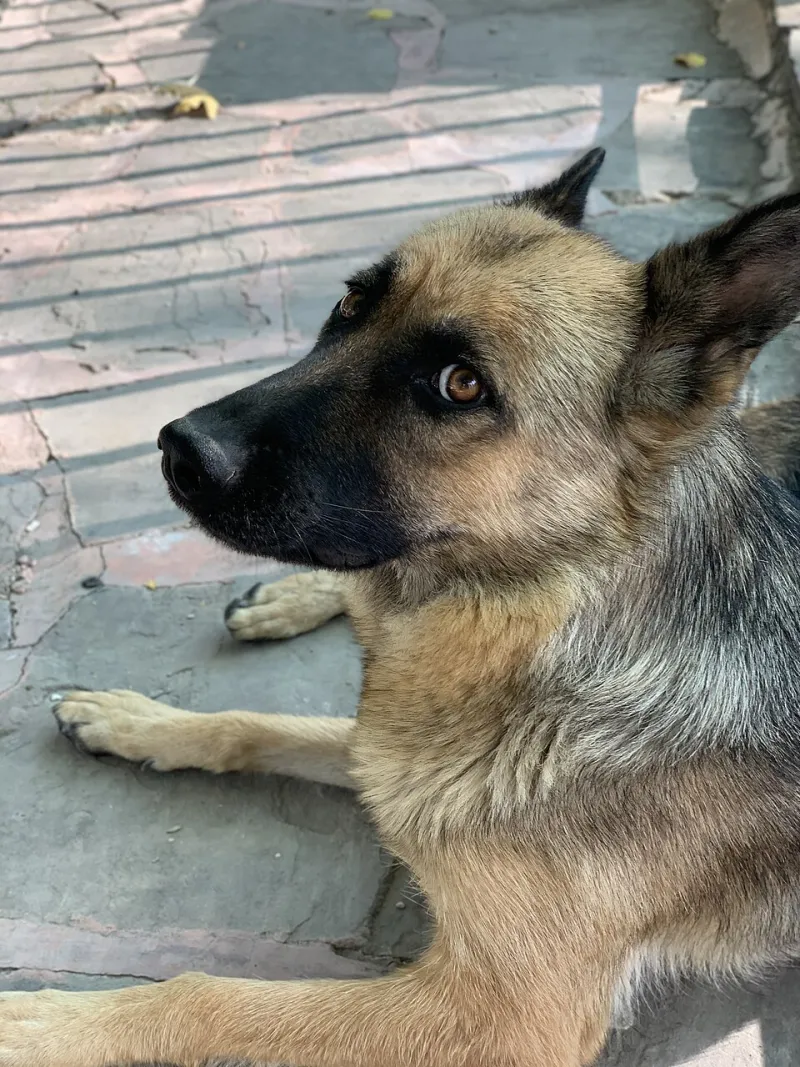
Photo: Danial Esmaeilian, CC BY-SA 4.0, via Wikimedia Commons
Bonfire Night has a way of stretching itself out. The fifth of November comes and goes, but the stray rockets, the distant thuds and the neighbour who saves one last box for the weekend can keep the whole thing rumbling on. For some dogs, the fireworks are a nuisance. For others, they're genuinely frightening — and the after-effects can last well beyond the last bang.
If your dog is still a bit wired, a bit clingy or a bit reluctant to go out after dark, they're not being difficult. They're recovering. This is a gentle November reset: not a boot camp, not a training regime, just a calm, practical plan to help them feel like themselves again.
Spotting the Hangover
Firework stress doesn't always look dramatic. Some dogs tremble and pant; others go quiet, hide behind the sofa or suddenly become velcro. You might notice a dog who usually inhales their dinner picking at it, or one who sleeps badly and then seems startled by every bin bag. Some become more reactive on walks, barking at things they'd normally ignore.
Keep an eye on the subtle stuff: lip licking, yawning, tense shoulders, a reluctance to settle, a sudden dislike of the garden at night. One or two of these after fireworks is normal. If they persist for more than a week or two, or if your dog seems unwell, it's worth a chat with your vet — especially if they're not eating or sleeping.
Rebuild the Day Around Predictability
After a period of unpredictability, routine is a deep breath. Feed at the same times. Walk the same familiar routes. Keep the evening calm and low-key. If your dog usually has a burst of play at 7pm, keep it gentle but keep it happening. Predictability tells a worried brain: nothing surprising is coming next.
Create a safe space that isn't a punishment. A crate with a blanket over the top, a quiet corner with a bed, or a sofa spot away from the front window can all work. Let your dog choose it. Don't drag them out for cuddles if they've gone there to decompress. A dog who knows they have an exit is often a dog who settles faster.
If there are likely to be more fireworks — and in mid-November, there often are — have a plan. Close the curtains, put on the radio or a fan for background noise, and keep evening toilet breaks short and on lead. A little preparation now prevents another spike in tension.
Let Their Nose Do the Heavy Lifting
Scent work is brilliant for dogs who are feeling fragile. It's low-impact, absorbing and deeply satisfying. Scatter their dinner in the grass or across a snuffle mat. Hide a few treats around the room and let them hunt. Save the cardboard from a delivery box, put a handful of kibble inside and let your dog shred it to pieces. It's messy, but it's the good kind of messy.
Chewing is another useful calmer. A safe, long-lasting chew or a stuffed frozen toy can help a dog unwind. If your dog is prone to gulping, supervise or choose something more robust. The aim is a steady, rhythmic activity that gives their brain something else to do.
The Power of a Boring Walk
Not every walk needs to be an adventure. After a stressful week, a quiet sniffy walk around the block can be more valuable than a busy park full of dogs and joggers. Let your dog stop and sniff. Let them choose the pace. Avoid the route that passes the building site or the school at home time if you can. If they seem worried, head home without guilt.
Daylight walks are especially useful in November. The days are short, and an evening walk that was fine in September can feel spooky in the dark. Fit in a longer walk in the morning or at lunchtime if your routine allows, and keep evening trips short and boring.
When Work Calls
Here's the tricky bit: life doesn't pause while your dog recovers. If you're back at work and your dog is still carrying tension, a structured day can be a lifeline. Daycare gives them company, gentle routine and a chance to burn off nervous energy in a supervised space. A short boarding stay can do the same if you're away or if your dog needs a few days of steady, low-drama care.
At Such Fun Kennels, we're used to dogs who arrive a little on edge after fireworks. We keep things predictable: familiar meal times, quiet rest periods, enrichment that lets a dog use their nose and brain without being thrown into a boisterous free-for-all. If your dog needs a calmer corner, we'll find one. The goal is not to flood them with excitement; it's to help them remember that the world is a manageable place.
A Gentle Week, Not a Boot Camp
Don't expect instant recovery. Some dogs bounce back in a day; others take a fortnight. Keep the pressure low, the routine steady and the praise quiet. If your dog has a wobble, don't treat it as a setback. A bad evening after a good day is normal.
By the end of November, most dogs will have shaken off the firework season. If yours is still struggling, speak to your vet or a qualified behaviourist. There's no shame in asking for help, and no prize for pretending everything's fine.
For now, keep the sofa warm, the treats small and the expectations gentle. The sky will be quiet again soon — and your dog will be back to their usual, ridiculous self.