Cold Comfort, Warm Tails: Seven Freezer Treats for Happier Kennel Days
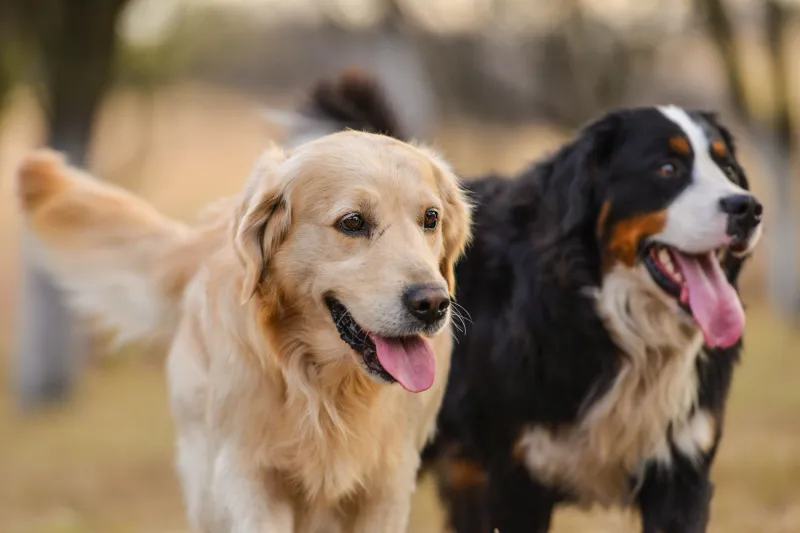
Photo: dog licking frozen treat from silicone mould in kitchen UK, via d.newsweek.com
Kennel days are brilliant, busy things: new smells, new friends, a diary full of naps and play. But even the most sociable dog can benefit from a quiet, lickable moment in the middle of it all. That is where the freezer comes in. A small, cold treat gives a dog something safe to focus on, slows mealtimes down and turns a warm afternoon into a mini party for the tongue. At Such Fun Kennels we use frozen enrichment as a calm-down tool, a boredom-buster and a little bit of everyday luxury. Here are seven recipes you can batch-make at home, plus the portioning and safety notes that keep the fun on the right side of sensible.
Why cold treats earn their keep
Licking and nibbling are naturally soothing behaviours. A frozen treat gives a dog a job to do, stretches out a snack and helps take the edge off excitement. For a dog who has been playing hard at daycare, a frozen lick mat can be the difference between a frazzled afternoon and a proper snooze. For a boarding dog settling into a new routine, it is a familiar, comforting activity that feels like a treat rather than a test.
The freezer is also a brilliant batch-cooking friend. Make a tray on Sunday, bag it up, and you have a week of small enrichment moments ready to go. The trick is to keep portions small, ingredients simple and everything supervised.
Portion, prep and storage
Treats should make up no more than about ten per cent of a dog's daily calories, and frozen treats count. Small dogs get small cubes; larger dogs can have a bigger mould, but still keep it snack-sized. A silicone ice cube tray, a muffin tin, a small silicone mould or a shallow tub all work well. Silicone is easiest to pop out, but a muffin tin lined with paper cases is fine too.
Label your bags with the date and ingredients. Home-made freezer treats are best used within four to six weeks for flavour and texture, and they should be wrapped well if your freezer is prone to frost burn. Thaw in the fridge if you want a softer texture, or let a frozen treat soften for a few minutes before handing it over. Never give a rock-hard block to a dog who gulps; a shallow lick mat or a slightly softened lolly is safer than a solid ice brick.
Seven freezer treats to try
1. Banana and peanut butter pupsicles. Mash one ripe banana with a tablespoon of xylitol-free peanut butter and a spoonful of plain yoghurt. Loosen with water, spoon into small moulds and freeze. The peanut butter must always be xylitol-free; xylitol is toxic to dogs.
2. Chicken and carrot ice lollies. Use plain cooked chicken with no bones, skin or seasoning. Chop finely, mix with grated carrot and either water or a dog-safe stock with no onion, garlic or added salt. Freeze in ice cube trays. These are a good use for small amounts of leftover roast chicken, as long as it was cooked plain.
3. Sardine and sweet potato cubes. Mash cooked sweet potato with a tinned sardine in spring water, drained. Mix well, press into a silicone mould and freeze. This is a rich treat, so keep the cubes small and use them occasionally rather than every day.
4. Berry yoghurt swirls. Use plain live yoghurt and a few mashed blueberries or raspberries. Swirl together, freeze in small moulds and serve slightly softened. Only use dairy if your dog tolerates it; some dogs are better with a dairy-free alternative.
5. Stuffed Kong freezer bombs. Mix a little kibble with mashed sweet potato and a splash of water. Stuff into a classic rubber food toy, seal the end with a smear of mashed banana and freeze upright. This is a brilliant slow-feed option for a dog who needs a calm project.
6. Watermelon and mint slush. Blend seedless watermelon with a tiny pinch of finely chopped mint and a little water. Pour into ice cube trays. Watermelon is mostly water, so this is a refreshing summer treat, but keep the cubes small and remove any rind or seeds.
7. Slow-feed lolly bowl. Pour a low-salt, onion-free broth into a shallow freezer-safe bowl, add finely chopped dog-safe vegetables and freeze until just firm. Let the dog lick it from the bowl under supervision. A shallow layer is safer than a deep block, and it turns a lick mat into a proper event.
What to avoid
A few ingredients are never worth the risk, however good the recipe looks. Avoid xylitol, grapes, raisins, sultanas and currants, chocolate, onions, garlic, leeks, chives, alcohol, caffeine, macadamia nuts and cooked bones. Skip salty stocks, gravy granules, mouldy food and anything containing artificial sweeteners. If your dog has a sensitive stomach, a dairy intolerance or a medical condition, check with your vet before introducing new treats.
Also avoid freezing treats into huge solid blocks that a dog might try to crunch. Lickable and slightly softened is the aim. And never leave a frozen treat unattended on a soft furnishing or in a crate without a wipe-clean mat underneath; a melting lolly is a small puddle with big ambitions.
Serving them at Such Fun Kennels
Frozen enrichment works best as part of a rhythm: a little play, a little rest, a little licking, a little nap. At Such Fun Kennels we build quiet enrichment into busy daycare days and use familiar food toys to help boarding dogs feel at home. You can do the same at home by keeping a small stash in the freezer and bringing one out when the day needs a softer landing. Cold comfort, warm tails, happy kennel days.